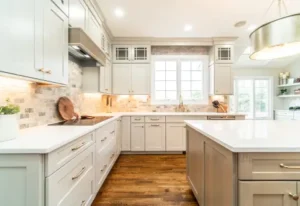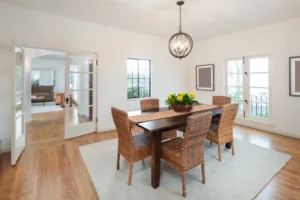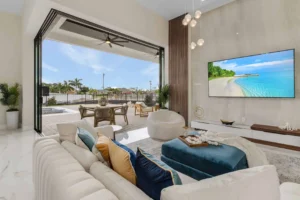
What if the home you want hasn’t been built yet? For buyers who haven’t found the right fit among resale listings, a new construction home can be a practical alternative, although these homes can come with their own sets of trade-offs to weigh before signing a contract.
Whether you’re comparing floor plans in a new subdivision in Austin, TX, touring model homes in Raleigh, NC, or weighing a newly built house in Cape Coral, FL, the reasons to buy new construction vary by market, builder, and budget.
1. Building a home that fits you from the start
Buyers of resale homes sometimes spend additional money after closing on remodels, layout changes, or updates to match how they live. Choosing features at the start of a build can reduce the need for some of those projects. Green Building Group, a custom home builder, shared how it sees personalization, incentives, and efficiency working together:
“New construction gives homeowners the freedom to build a home that caters to their own needs, rather than living in a standardized design, a clone of a hundred others, or a home custom-built to someone else’s choices. Although in theory that sounds like exponentially more in cost, builder incentives, like the cash incentives and upgrades Green Building Group offers, can help make the numbers work. Every new home also comes with a builder warranty, so buyers avoid the surprise repairs common in older homes. And because we focus on energy efficiency and green construction tailored to each client’s requirements, our homeowners enjoy lower utility bills and less maintenance from day one.”
Getting the details right before construction starts can be easier on your budget than changing them afterward. Moving a wall, replacing flooring, or adding features after closing can cost more and take more effort than including them in the original plan. Before you finalize your selections, think through how you use your home day to day:
- Layout and room sizes: Consider how you cook, work, and spend time at home.
- Storage and finishes: Durable materials in high-use areas may reduce the need for replacements down the road.
- Features that can be harder to add later: Examples include extra electrical outlets, a larger garage, or a different room configuration.
2. Personalize your home for your local climate
Where you build can shape which features matter most to you. For example, in hurricane-prone areas like Southwest Florida, buyers may weigh storm-related features alongside finishes and layout. Bahnam Builders shared this perspective:
“Unlike purchasing a resale home, building new allows buyers to personalize their home from the start, selecting the finishes, features, and design details that reflect their style and lifestyle. Everything is brand new, from the roof and appliances to the major systems, offering the peace of mind of builder warranties, improved energy efficiency, and fewer unexpected maintenance expenses. In Southwest Florida, new homes are built to current building codes and applicable FEMA flood elevation requirements, providing added protection and peace of mind. At Bahnam Builders, hurricane-impact windows and doors are included, giving homeowners an added layer of storm protection without the need for costly upgrades. Combined with potential builder incentives, new construction offers buyers the opportunity to create a home that’s truly their own while investing in long-term comfort and value.”
Choosing features early lets you align a new build with your local climate. In severe weather or hurricane zones, clarify which storm features are standard versus upgrades with your builder. Check with your local building department to confirm applicable safety codes and flood rules for the property.
3. Expand your options beyond resale listings
If the resale market in your area feels thin, new construction adds another set of homes to consider. The U.S. Census Bureau shows an estimated 476,000 new houses were for sale at the end of September 2026, and the median sales price of new houses sold that month was $400,400, which is 3.9% below the September 2025 price. Keep in mind that a national median can shift as the mix of home sizes and locations changes. Conditions also vary by metro area, so compare new builds with nearby resale listings to see what’s available in your price range.
4. Choose your lot and community
New homes are often sold within planned communities, which gives you more than a floor plan to compare. Depending on the builder and how far along the community is, you may be able to choose among available lots. A few things to look at:
- Lot size and shape: These can affect yard space and where a home sits on the property.
- Position within the community: Consider how close a lot is to entrances, shared spaces, or other planned features.
- Orientation: The direction a home faces can affect sunlight and views.
- HOA rules and fees: Ask for the community’s documents and read them before you sign.
Builders can also tell you what’s planned for the rest of the community, but plans can change. Confirm anything that matters to you, such as future roads or nearby development, with your local planning office.
What to know before you build
Once you’ve decided new construction is worth exploring, a few details can shape your timeline and your experience.
Compare move-in-ready and to-be-built homes
“New construction” covers a few different paths, and each one affects your timeline and how much you can choose:
- Move-in-ready homes: These are finished, so you can see exactly what you’re buying and typically close sooner.
- Homes under construction: You may have some options for customization, depending on how far along the build is.
- To-be-built homes: You typically have the most say over lot, floor plan, and finishes, but you’ll wait longer for the final result.
Whichever path you choose, ask for an itemized price. Lot premiums and design upgrades can add to the base price, so it helps to know what’s included before you sign.
Check these items before you sign
A few steps can make the process smoother:
- Bring your own representation. A builder’s sales representative typically works for the builder, and some builders have rules about when a buyer’s agent must be involved. It helps to choose a real estate agent before your first visit.
- Review the contract. Look at the estimated completion date, what’s included in the base price, and what counts as an upgrade.
- Schedule an independent inspection. A new home can still have construction issues or missed details.
- Use a checklist at the final walkthrough. A new construction walkthrough checklist can help you document anything that needs attention before closing.
- Stay alert on tours. Even in a newly built home, it’s worth knowing the red flags that can signal bigger problems.
Is new construction right for you?
The reasons to buy new construction come down to how much you value choice, a home that hasn’t had a previous owner, and the incentives a builder may offer, balanced against timelines, upgrade costs, and local prices. Comparing new builds with resale listings in your area is the best way to see how those factors play out.
When you’re ready to start looking, explore homes for sale on Redfin or connect with a Redfin agent who can help you compare new and existing homes.
Get prequalified for your dream home
Our partner Rocket Mortgage® delivers award-winning service, fast pre-approvals, and seamless closings. Rocket Mortgage is an affiliate of Redfin. You aren’t required to use its lending services. Learn more at redfin.com/afba.
See if you qualify
FAQ: Reasons to buy new construction
1. Do I have to use the builder’s lender?
You can compare offers from other lenders. Some builders partner with a preferred lender, and certain incentives may depend on using that lender, so read the terms carefully. It can help to get pre-approved for a mortgage before you visit a builder, so you have a point of comparison for any financing offer. A licensed lender or financial professional can speak to your specific situation.
2. What are the downsides of buying new construction?
New construction involves key trade-offs. To-be-built homes often take longer than existing ones, and delays happen. Upfront decisions, upgrades, and lot premiums can increase base prices. Ongoing construction nearby is also common in developing communities. Evaluate these factors against your timeline and budget to decide if a new build suits you.
3. Can I make changes after I sign the contract?
It depends on the builder and how far along construction is. Many builders have a change-order process, and changes may affect the price and the completion date. Ask how it works before you sign, and get any approved change in writing.
4. Are builder upgrades worth the cost?
Whether builder upgrades are worth it depends on their cost and your usage. Prioritize harder-to-modify structural choices over cosmetic options. Get an itemized price list to compare builder costs against post-closing additions.
5. What happens if my home isn’t finished by the estimated completion date?
Your purchase contract dictates the outcome. It typically outlines completion timelines and options if delays occur, though terms vary. Review these details before signing and consider consulting a real estate attorney.